When people think about child welfare organizations, they often picture crisis response: emergency removals, court hearings, and children being placed into foster care. What tends to receive far less attention is the quieter, less dramatic work that happens long before any of that becomes necessary. Family support services exist precisely to prevent crisis, not just respond to it, and their impact deserves far more recognition than it typically receives. It is also the reason prevention sits so early in the way Nasarp Foundation works with families.
The Difference Between Prevention and Intervention
Intervention happens after something has already gone wrong. A child has been harmed, neglected, or placed in an unsafe environment, and the system steps in to protect them. Prevention happens earlier, often long before a family reaches that breaking point, offering support that keeps small struggles from escalating into full blown crises.
Consider a single parent working two jobs who suddenly loses reliable childcare. Without support, that situation can spiral quickly, leading to missed work, unsupervised children, and mounting financial stress. With early intervention through family support services, that same parent might receive help locating affordable childcare, connecting with community resources, or simply having someone to call when things start feeling unmanageable. The difference between those two outcomes is often nothing more than access to the right support at the right moment.
What Family Support Actually Looks Like
Family support services take many forms, and effective programs typically address more than one need at a time, since family struggles rarely exist in isolation. Common services include parenting education, home visitation programs, connection to financial assistance, mental health referrals, and case management that helps families navigate complicated systems they may not fully understand.
Parenting education, for example, is not about judging a parent’s ability. It is about equipping caregivers with practical tools for managing stress, understanding child development, and responding to challenging behavior without resorting to methods that could cause harm. Many parents facing hardship never had positive parenting modeled for them in their own childhood, and structured support can help break cycles that might otherwise repeat across generations.
Home visitation programs, in which a trained professional regularly checks in with a family, allow potential concerns to be identified and addressed early, often before they become serious enough to require formal intervention. These visits also provide consistent emotional support for parents who may otherwise feel isolated in their struggles.

Addressing the Root Causes of Family Stress
Many families who eventually come into contact with child welfare systems are not struggling because they lack love or commitment to their children. They are struggling because of poverty, housing instability, lack of access to mental health care, or simply the exhausting weight of trying to meet basic needs without adequate support.
Effective family support services recognize this reality and work to address root causes rather than symptoms alone, and Nasarp Foundation approaches every family it meets on exactly those terms. Connecting a family to stable housing resources, helping a parent access job training, or providing consistent access to food assistance can relieve enough pressure that a family regains the stability needed to care for their children safely and confidently.
This approach requires patience and a genuine understanding that most families want to succeed. Given the right resources at the right time, the overwhelming majority of parents are capable of providing safe, loving homes for their children without ever needing formal intervention.
Why Early Support Protects Children More Effectively
It might seem counterintuitive, but keeping children safely within their own families, whenever it is possible to do so safely, is generally the outcome most aligned with a child’s long term wellbeing. Removal from a home, even when necessary, is deeply disruptive and can carry lasting emotional consequences. Family support services aim to reduce the need for that disruption in the first place by strengthening families before a crisis forces a harder decision.
This does not mean prevention replaces the need for protective intervention when a child is genuinely at risk. Rather, it means that many situations which might otherwise escalate to that point can be addressed earlier, with far less trauma for everyone involved, particularly the children at the center of it all.
The Long Term Value of Investing Early
From a broader community perspective, investing in family support services also reduces long term strain on child welfare systems overall. Every family that receives effective early support and avoids crisis represents fewer resources needed for emergency intervention, court proceedings, and foster placements down the line. This allows organizations to direct more resources toward families who do require more intensive support, creating a more sustainable system overall.
Beyond the practical and financial argument, there is a simpler truth at the center of this work. Families who receive support early are more likely to stay together, heal from hardship, and build stability that benefits not just the current generation but the next one as well. Children who grow up in supported, stable households are more likely to become parents who provide that same stability for their own children someday.
Supporting Families Before They Reach a Breaking Point
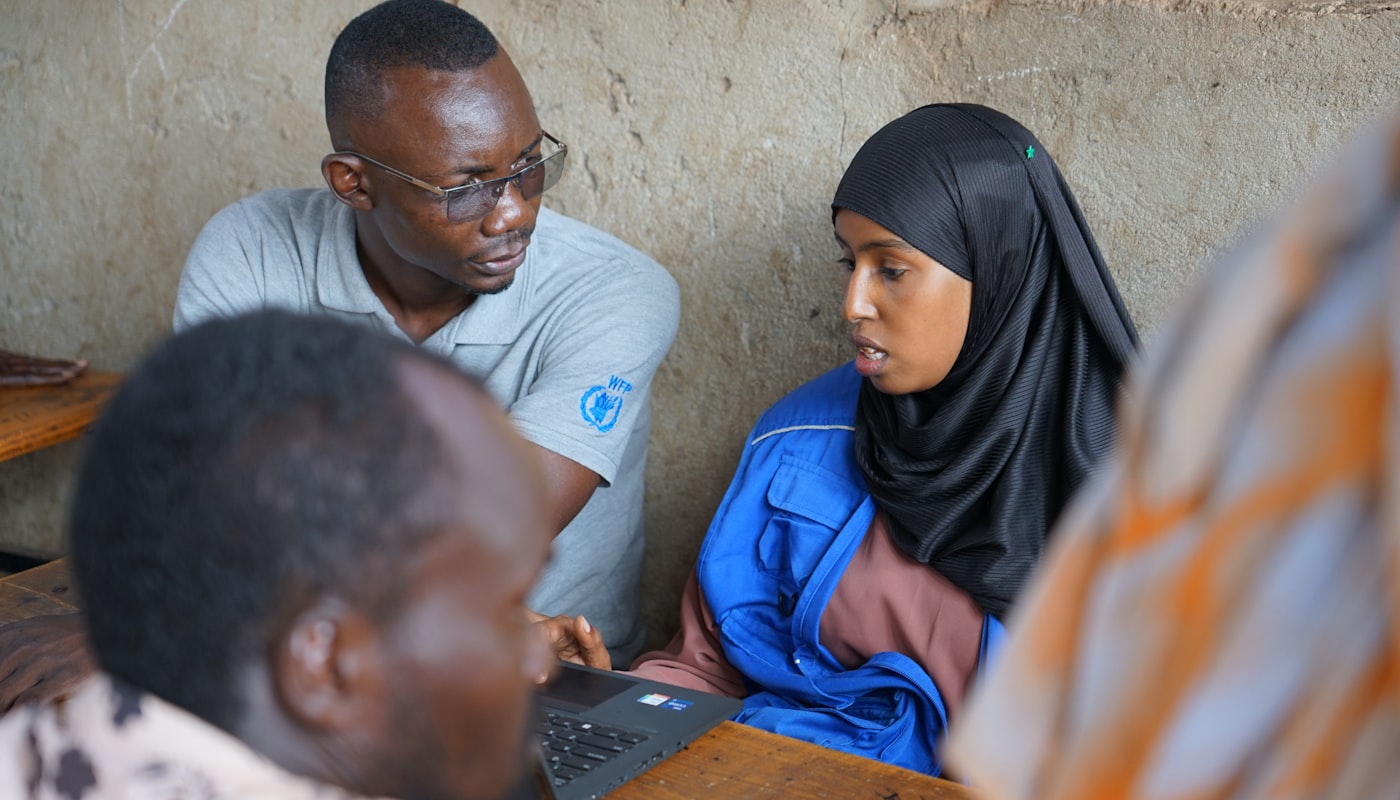
Family support services rarely make headlines the way crisis intervention does, but their impact is just as significant, arguably more so, because they prevent the crisis from happening at all. A parent who receives help finding stable housing before eviction becomes imminent. A caregiver who learns healthier coping strategies before frustration turns into harm. A family that stays together because someone reached out with support at exactly the right moment.
This is the quiet, essential work happening every day, often without recognition, and it deserves far more attention and investment than it typically receives.
If you know a family that could benefit from support services, or if you are interested in how your community can strengthen access to early intervention resources, reach out to Nasarp Foundation. Prevention starts with connection, and connection starts with someone simply reaching out.