Deciding to become a foster parent is one of the most meaningful choices a family can make, and also one of the most misunderstood. Many people imagine fostering as simply opening a spare room to a child in need. In reality, it is a deeply personal commitment that touches every part of daily life, from routines and finances to emotions that no orientation session can fully prepare you for.
If you are considering fostering, or you have already begun the process, understanding what truly lies ahead can make the difference between a placement that struggles and one that helps a child heal. Here is what every prospective foster family should know before that first knock on the door, shaped by the questions families most often bring to Nasarp Foundation.
Fostering Is Not the Same as Adoption
One of the most common misunderstandings among new foster parents is confusing fostering with adoption. Foster care is, by design, meant to be temporary. Its primary goal is reunification with the birth family whenever it is safe and possible. Some placements do eventually lead to adoption, but many do not, and foster parents need to enter the process with that reality clearly in mind.
This distinction matters emotionally as much as legally. Loving a child fully while also supporting reunification efforts, or accepting that the child may move to another placement, requires a particular kind of emotional resilience. Foster parents who understand this from the outset tend to navigate the uncertainty with far more stability than those who expect a permanent arrangement from day one.
Every Child Arrives With a History
A child entering foster care almost always carries some degree of trauma, whether from neglect, instability, separation from siblings, or simply the disruption of being removed from everything familiar. Even very young children absorb and respond to this kind of upheaval, often in ways that show up as behavior rather than words.
This means a foster child may not respond to your home, your rules, or your affection the way a biological child raised from birth might. Testing boundaries, emotional withdrawal, or difficulty trusting new adults are common and understandable responses, not signs of failure on the part of the foster parent. Understanding trauma informed care, even at a basic level, helps foster parents respond with patience rather than frustration when these moments arise.
The Practical Side Requires Real Preparation
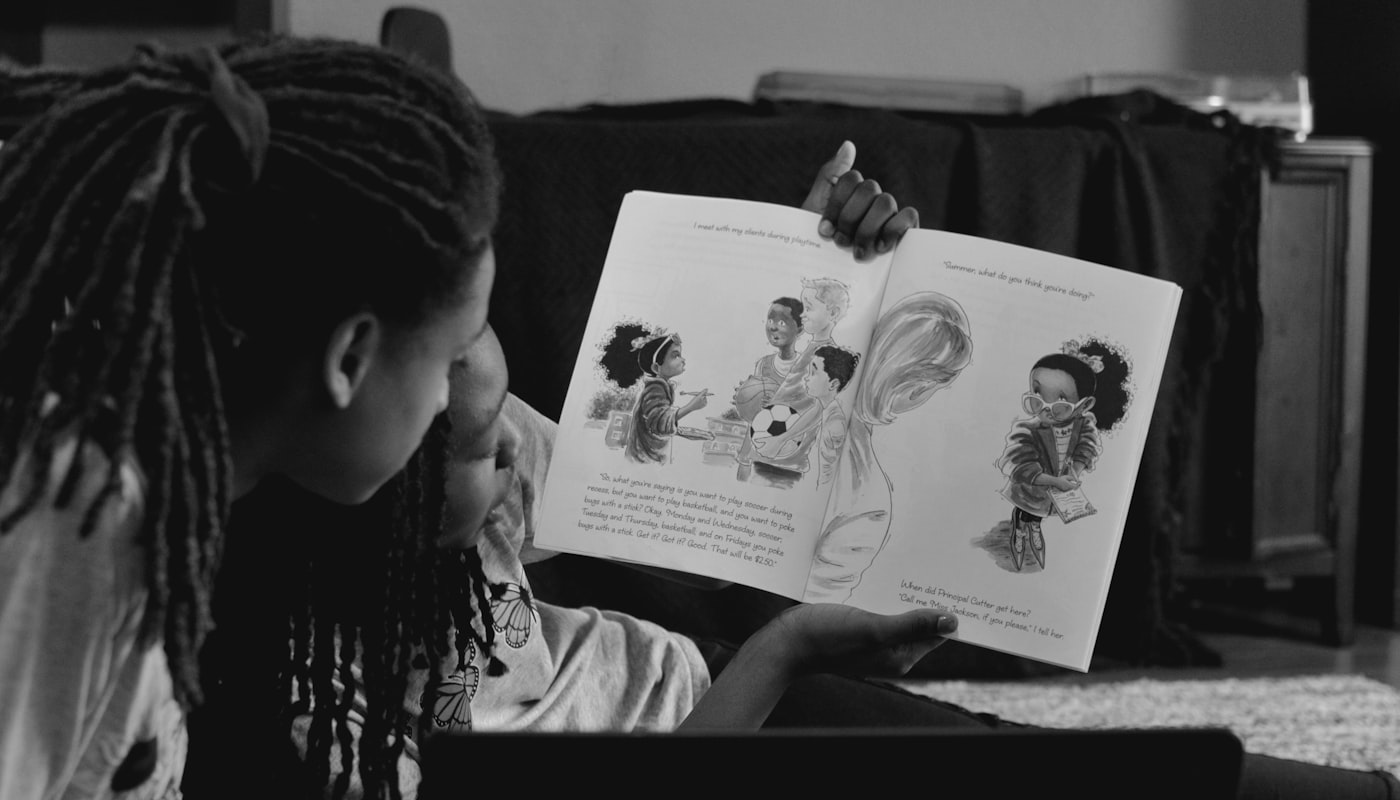
Beyond the emotional readiness, fostering comes with genuine practical demands. Most regions require a home study, background checks, and a series of training sessions before a family is approved to foster. These steps exist to protect children, and they also give prospective parents a realistic look at what the role involves before they commit.
Financial support for foster families typically comes in the form of a monthly stipend intended to cover the child’s basic needs, though this varies by location and rarely covers every cost in full. Beyond finances, families need to think through practical questions such as school enrollment, medical appointments, transportation for family visits with the birth family, and how to accommodate a new child within existing family routines.
Foster families also need a support system of their own, which is why Nasarp Foundation treats care for the carers as part of the work rather than an afterthought. Respite care, support groups, and open communication with a caseworker are not signs of struggling. They are essential tools that help sustain a placement over the long haul, particularly during the more difficult early weeks of adjustment.
Communication With Caseworkers Matters More Than You Think
The relationship between a foster family and the assigned caseworker can shape the entire experience of fostering. Caseworkers manage heavy caseloads and juggle many families at once, which means foster parents often need to be proactive rather than waiting for updates to come to them.
Keeping detailed notes on a child’s behavior, medical needs, and emotional progress gives caseworkers the information they need to make informed decisions. Asking questions, even ones that feel small, helps foster parents feel more confident and prepared. A strong, communicative relationship with a caseworker often becomes one of the most valuable resources a foster family has.
Supporting Birth Families Helps the Child
It can feel counterintuitive, but one of the most important roles a foster parent plays is supporting, rather than competing with, the child’s birth family. Reunification is the goal in most cases, and children tend to fare better emotionally when they see the adults in their life working together rather than treating each other as opponents.
This might look like speaking respectfully about birth parents in front of the child, facilitating visits without added stress, or sharing helpful updates about the child’s routine with the birth family when appropriate. Foster parents who approach the relationship with empathy rather than judgment often find that it eases the transition for everyone involved, including themselves.

The Reward Is Real, Even When It Is Hard
Fostering is rarely simple, but the impact it has on a child’s life is significant. A stable home, even a temporary one, can be the turning point that helps a child feel safe enough to heal. Many foster parents describe the experience as the hardest and most rewarding thing they have ever done, often in the very same sentence.
Every child who enters foster care deserves a home where they are cared for with patience, structure, and genuine warmth. Understanding what fostering truly involves, both the beautiful parts and the difficult ones, is the first step toward being ready to provide exactly that.
If you are considering becoming a foster parent, reach out to Nasarp Foundation to learn about training, requirements, and the support available to you. The process may feel overwhelming at first, but you do not have to walk it alone, and neither does the child who may soon call your home a safe place to land.